
The City maintains stormwater systems to ensure there is effective movement of rainwater out of neighborhoods and into waterways. Maintenance includes different types of activities like repairing catch basins, clearing ditches, and cleaning stormwater pipes. Ditches are located along roadsides without curbs in many areas of the City.
Ditch Maintenance:
Ditch maintenance sometimes involves clearing vegetation, soils, and debris to re-establish the ditch function of moving water through the stormwater system. Ditch vegetation is typically cleared only as needed for function or for safety (for example, vegetation is encroaching on a sidewalk). The City does not maintain ditch lines or vegetation for “aesthetic” reasons.
Ditch Reestablishment:
Over time, many ditches have been filled in either purposefully or built up with materials. Ditches have been culverted (added pipes), without approval, to provide additional driveways, parking, or level landscaping. These filled in ditches have removed the ability for the roads to collect and treat stormwater before flowing into water bodies.
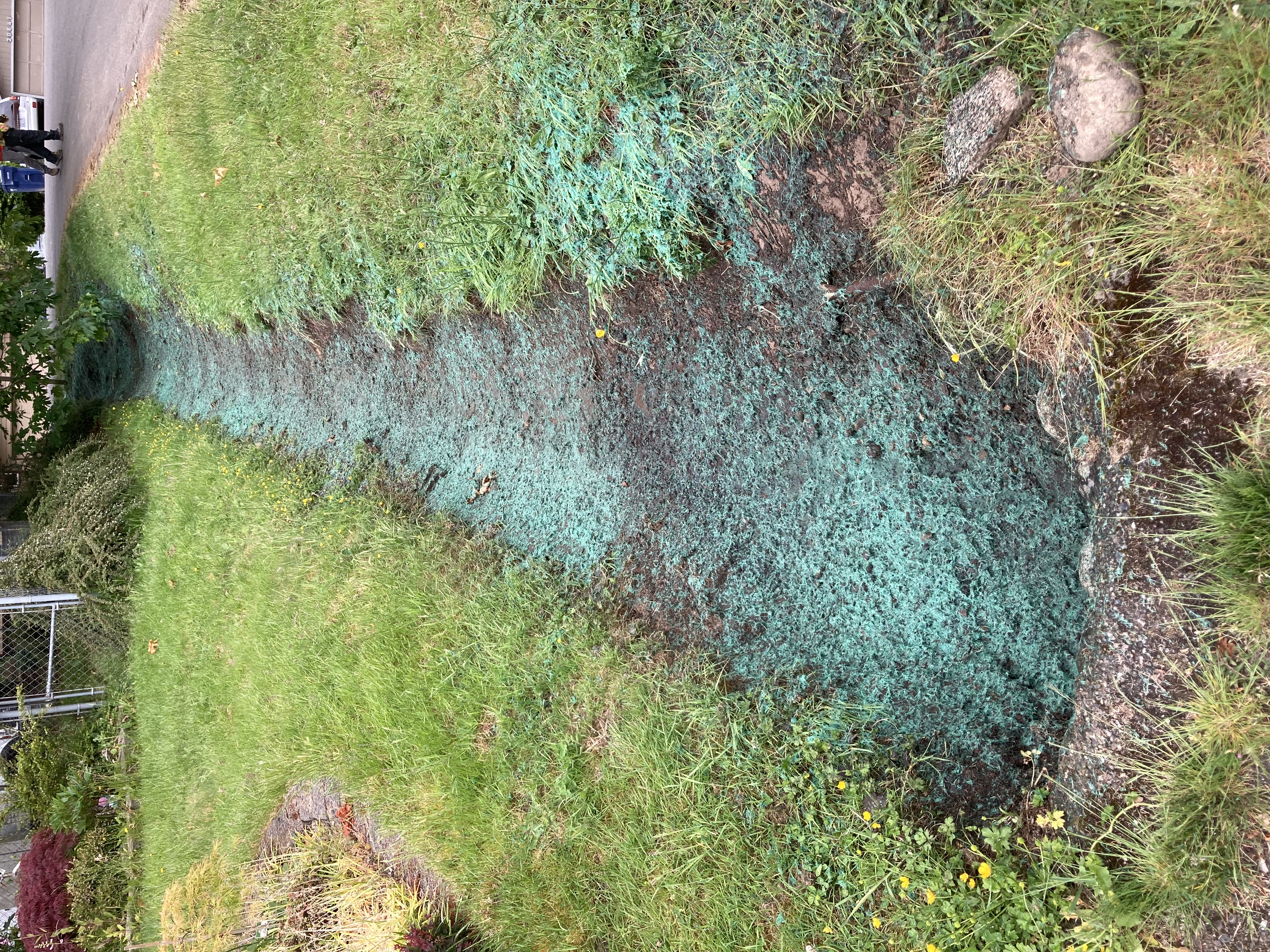
Above: Photo of a re-established ditch in Federal Way.
Ditch Maintenance FAQs
WHY ARE THERE DITCHES IN MY NEIGHBORHOOD?
The City incorporated in 1990 and inherited the many neighborhoods previously constructed under the jurisdiction of King County. Older neighborhoods were developed to the standards at that time which included ditches to convey stormwater from homes and roadways to stormwater ponds and outfalls instead of the curbing and sidewalk seen in current City standards.
Ditches help reduce flooding, erosion, pollution, and icing caused by stormwater runoff by allowing water to shed off the roadway. After runoff enters the ditch, some infiltrates into the ground and the rest flows into a nearby stormwater pond or natural waterbody. For ditches to function properly, they must be clean and clear so runoff can flow unobstructed through the drainage system. Culverts and ditches full of dirt or debris can cause water to back up and potentially create flooding and icing.
WHO OWNS THE DITCHES?
Ditches lining City roadways are in the public right-of-way. Like roadways, ditches are owned by the public and maintained by the City on their behalf. There are occasions where a Homeowner’s Association may be responsible for maintenance of the ditches and stormwater facilities in their neighborhood.
WHO IS RESPONSIBLE FOR CLEANING THE CULVERT UNDER MY DRIVEWAY?
Maintenance, repair, and replacement of culverts under access to private property is the responsibility of the property owner. Although the culvert is located within public right-of-way, the purpose of the culvert is to facilitate access by the property owner to their private property. The City will clean and repair driveway culverts when conducting neighborhood ditch maintenance to ensure the drainage system will function properly. However, culverts should be regularly cleaned and maintained by the property owner to reduce the potential for flooding.
CAN THE CITY INSTALL PIPES AND SIDEWALKS TO REPLACE THE DITCHES?
Ditches are most commonly replaced when development subdivides land to create new lots to build a new neighborhood. Development is required to install infrastructure to current City standards which includes piping and treating stormwater and installing roadway improvements like sidewalks. The City can also pursue projects to fill in sidewalk gaps that may cause ditches to be replaced with pipes.
CAN I PIPE OR FILL THE DITCH IN FRONT OF MY HOUSE?
Generally no, ditches must remain open to provide conveyance for stormwater runoff. Allowing individual properties to pipe the system has a high potential to cause a maintenance problem. The installation of pipe and sidewalk is a significant change to infrastructure that would also increase the cost to maintain the current stormwater system.
Placing any fill into a ditch (for example installing pipe and covering it to fill the ditch, or adding rocks or other materials to “landscape” it) within the public Right-Of-Way requires a City permit, and is generally not allowed. Driveway width and quantity (no more than one driveway per single-family residence) is regulated through Federal Way Revised Code (FWRC) Sections 19.135.270 and 19.135.280. Please report to the City if you observe any such activities which you think may be unauthorized.
WHAT DOES THE CITY DO TO MAINTAIN NEIGHBORHOOD DITCHES?
The City conducts a proactive ditch and drainage maintenance program to clean neighborhood ditches. The work includes removing excess sediment in the ditches, cleaning culverts under roadways and driveways, and stabilizing with grass to prevent erosion. Where ditches are steeply sloped, the City may place rock instead of grass as called for in the original design, or use other measures to prevent dirt from flowing downstream.
WHY IS GRASS USED TO STABILIZE DITCHES? CAN I INSTALL ROCK INSTEAD?
Grass-lined ditches filter and absorb pollutants in the runoff before the water is conveyed to a catch basin or stormwater pond. If you fill a portion of the ditch with yard debris, such as branch cuttings or grass clippings, or if you add rocks or beauty bark, it can cause flooding, damage the neighborhood stormwater pond, and add pollutants to streams and lakes.
WHAT DOES DITCH CLEANING LOOK LIKE?
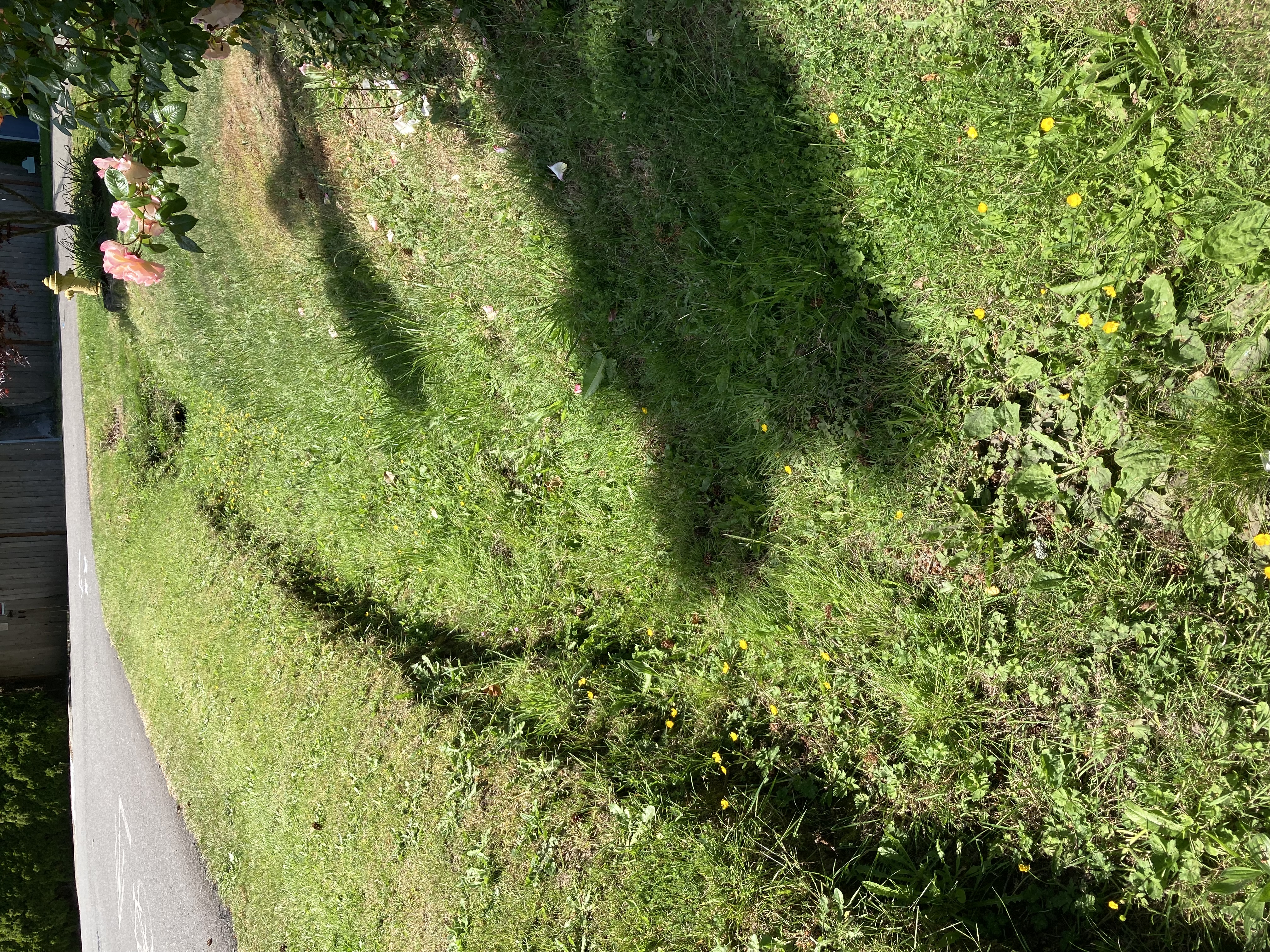
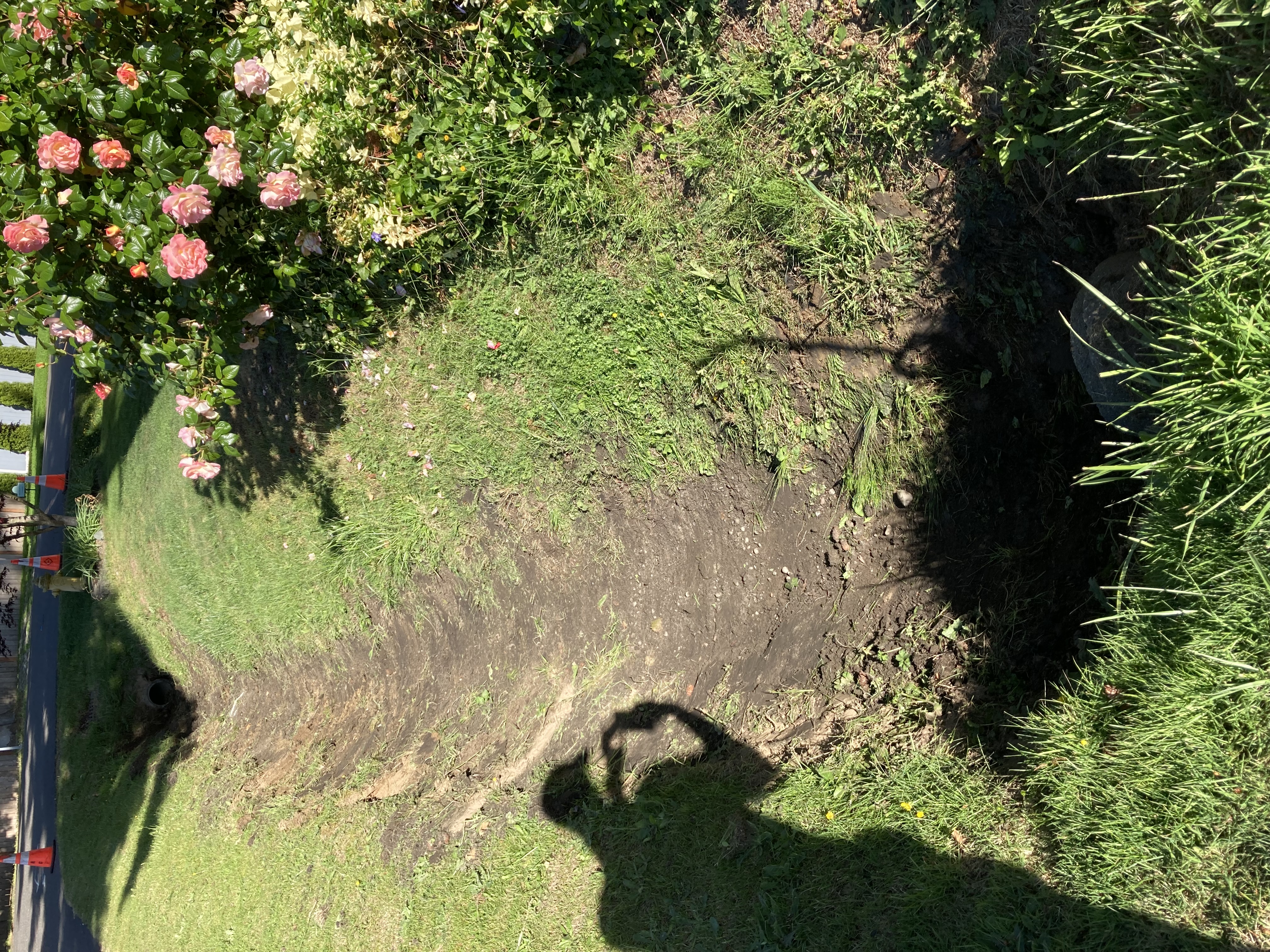
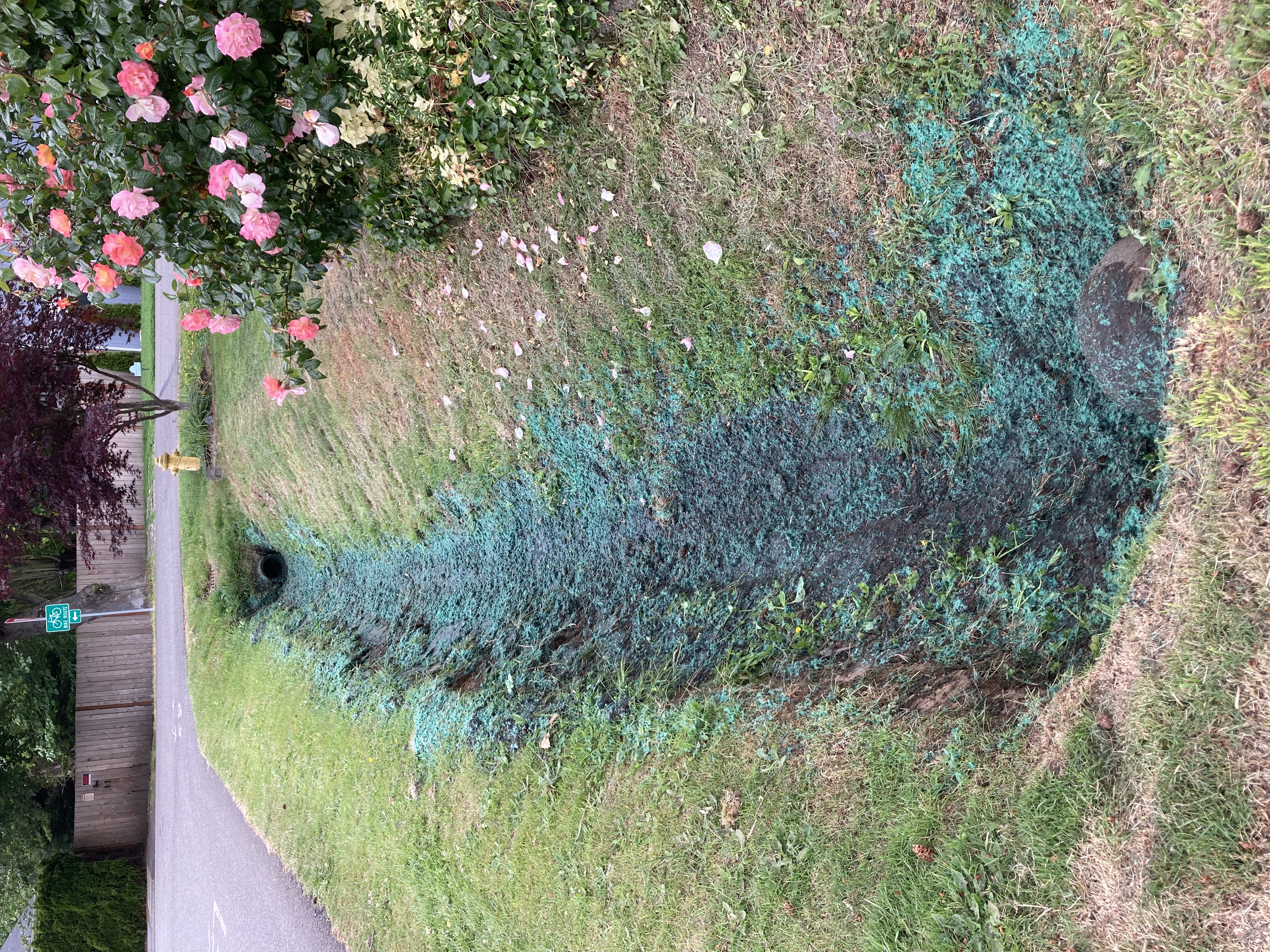
Ditch cleaning involves removal of debris and sediment, re-establishment of ditches, and erosion control installation. Below is an example of a Federal Way ditch before, during, and after cleaning. Well maintained ditches positively contribute to the health of the stormwater and surface water environment.
| Before | During | After |
 |
 |
 |
WHO CAN I CONTACT?
Ditch maintenance and reestablishment is done by the City Surface Water Management Division. If you have further questions, please contact SWM@federalwaywa.gov.
To report unauthorized activity, please report it to the City using Eyes on Federal Way.